
Cardoso et al have published recently a study that compared the agreement and prognostic value of the cachexia classification that is mainly derived from the weight loss, with the inflammation based mGPS and have further evaluated the clinical predictors of Cachexia development. The study provides important insights into Cachexia syndrome that affects majority of patients. They have emphasized that mGPS can identify high risk patient subgroup but need not be sued as standalone tool. The study noted that complete evaluation of multiple cachexia domains to identify treatment strategies.
Application of Enzymes: As an Emerging Pharmaceutical Research
Enzymes are most prominent catalysts, which oوٴer a competitive
process for the chemical catalysts [1]. Нough enzymes have a great
potential, its industrial applications have been hampered in terms of
catalytic efficienc\, speciٽcit\ and stability. A variety of approaches are
considered to overcome this situation including enzyme screening
form natural resources, immobilization and random mutations [2].
Industrial enzymes demand is continuously rising in terms of
sustainable solutions. More than 600 industrial products are produced
by using enzyme [3].
Activase, the ٽrst recombinant enzyme was approved by Food and
Drug administration (FDA) in 1987. Нis enzyme is used speciٽcall\
for treating heart attacks (caused by coronary artery blockage) and
known as “clot-buster”. $іer insulin, it was the second recombinant
drug to be marketed. Since then many enzymes as c
Market Analysis on HIV, STD & STI
We take the pride to welcome you to the “3rd International
Conference on HIV, STD & STI” to be conducted on April 22-23,
2020 at Singapore Town, Singapore. Theme of the conference
is “Aiming for a HIV free society”. HIV 2020 conference gathers
noted Eminent Scientists/Research Professors, Junior/Senior
analysis fellows, Students, Doctors also researchers from
World Health Societies & Associations and Medical
Universities under one roof where networking and world
partnering happens for the acceleration of future research.

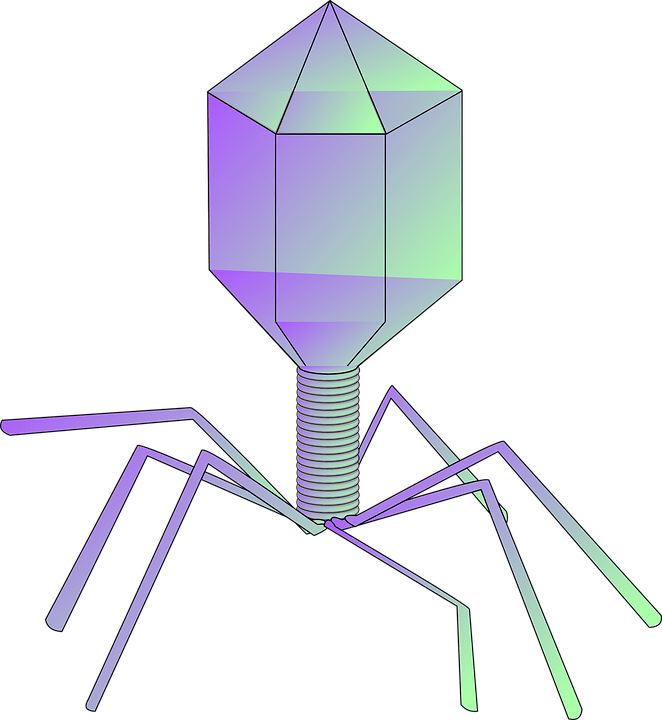
The Promise of Bacteriophage Antimicrobial Therapeutics
With the end of the antibiotic era looming, alternative antimicrobial agents are desperately needed. Lytic bacteriophage specific for a variety of bacteria have been used for almost 100 years to successfully treat serious infections. Here we make the case for pursuing formal regulatory approvals for the use of bacteriophage as therapeutic antimicrobial agents. Following Alexander Fleming’s discovery of penicillin in 1928, the world experienced an antibiotic renaissance in which previously deadly bacterial infections could be cured by a variety of antimicrobials. However, in the past three decades, bacteria have responded to the onslaught of new antibiotics with a deluge of mutations and gene acquisitions, as well as the means to transmit them to both their own and other bacterial species, such that they are rapidly becoming insensitive to all of the drugs.
Imaging of Recurrent Head and Neck Tumors in Patients with Prior Flap Reconstruction
The purpose of this study is to provide a comprehensive description of the spectrum of imaging characteristics and distribution of recurrent disease in patients with head and neck cancers reconstructed with flaps, which may allow salvage surgery and contribute to improved survival.
The majority of patients with recurrent disease following flap reconstruction developed their recurrence within the post-operative first eight months. Recurrent tumors typically present as infiltrating, enhancing masses which may have necrotic foci, and tend to occur along the flap margin and/or suture line. Approximately 38% of recurrences were not clinically suspected. Routine 3-month baseline imaging then further 3-month interval follow-up in the first year should be considered in patients with flap reconstruction for head and neck malignancy.
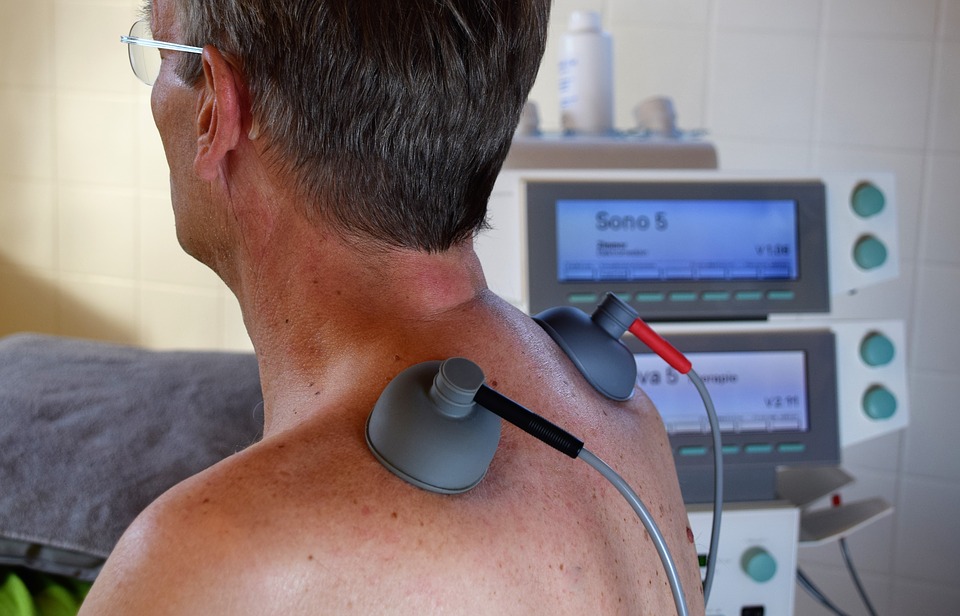
Utilization of the Polarized Infrared Light for Prostate Cancer Visualization in Isolated Prostates
The current imaging methods for the prostate cancer diagnosis are complicated and partially invasive. Therefore, a key challenge for prostate cancer detection is to use a simple and non-invasive method. Imaging plays a crucial role in the non-invasive identification, localization and grading of prostate carcinoma. In this paper, we demonstrate the possibility using of polarized a near infrared (NIR) light for the in vitro prostate cancer detection and imaging. Because the intensity of NIR light passing through the cancerous outgrowth is lower than the intensity of NIR light passing through the noncancerous one, the cancerous formations are differentiated as the dark areas in the relatively white background. Specially developed software analyses and processes a distribution of intensities of the grayscale images, measures the ratios of their strength, and determines the rate of prostate malignancy. Obtained results may hold promise to make an important contribution to the diagnosis of prostate cancer in the early stage of its development.

Incisional Hernia and Homoeopathic Intervention
Increasing rate of caesarean sections in the present day scenario is a well-documented fact. A raise in cesearean sections in the country leading to high incidence of Incisional Hernia near Umbilicus mainly in upper segment caesarean section (Midline Vertical section). An incisional hernia results from an incompletely healed surgical wound. It is usually seen as an abdominal wall defect at the site of previous incision following breakdown in the continuity of the fascia closure. As many people state that there is limitation in Homoeopathy for surgical cases, I want to present the case to through light in this aspect with Homoeopathy.
Cannabinoid Hyperemesis Syndrome and Panic Disorder in a Pregnant Woman: Diagnostic and Management Considerations
Cannabis Hyperemesis Syndrome (CHS) is characterized by cyclical intractable nausea and vomiting in chronic cannabis users. These symptoms are pathognomonically relieved by hot showers and baths. In spite of the recognized antiemetic properties of cannabis, a paradoxical effect of hyperemesis is described in CHS. The present case is that of a 29-year-old, 15-week pregnant woman who presented with symptoms suggestive of Cannabis induced panic disorder and Cannabis Hyperemesis Syndrome. The patient was stabilized symptomatically with intravenous fluids, antiemetics and later set up on long-term drug rehabilitation. The case highlights the need for clinicians to recognize symptoms of CHS in pregnant women in whom these symptoms may resemble other diagnoses. The incidence of Cannabis Hyperemesis Syndrome is projected to increase with the rise in marijuana use and legislative attempts to decriminalize recreational marijuana.

Community as Treatment: The Therapeutic Community Model in The Era of The Opioid Crisis
Increased attention to additional treatment approaches for Opioid Use Disorder (OUD) is needed amidst the current opioid crisis. The Therapeutic Community (TC) is an effective model that offers a unique treatment frame for patients considered “treatment-resistant”, yet it is rarely considered an option in the United States and has not been included in the federal response to the opioid crisis. We explore the evidence supporting the TC modality as uniquely effective and use a current Italian model-San Patrignano, the largest TC in the world-to identify salient mediators of the outcome, including long-term treatment and removal from the opioid-associated environment. The potential role of the TC in responding to the opioid crisis in the United States and its compatibility with other standard-of-care treatments are reviewed.

Opportunities and Challenges on the Extraction of Biomolecules from Biomass Using Ionic Liquids
Biomass is the sustainable resource for natural value-added compounds for instance alkaloid, terpenoid, phenolic, saponin, and several others antioxidants which are of great interest for pharmaceutical, food, fine chemicals and cosmetic industries. Almost 40% of the total drugs manufactured are originated from natural products. Therefore extraction of such small biomolecules from bioresources is of outmost importance. The conventional and commercial extraction processes of such biomolecules possess a number of inadequacies such as laborious and energy intensive extraction process, use of volatile organic solvents and environmental concerns. An ecofriendly, low-cost and rapid extraction process would benefit to the biomolecules processing industries towards overall economy and greenhouse gas emission.

Towards this endeavor ionic liquids (ILs) have shown promise regarding green and rapid extraction point of view. In early 21st century, several air and water stable ILs have been evolved and consequently research on the use of novel ILs as potential solvent for the extraction of value-added compounds from biomass has intensified [5]. In addition to the exceptional solvent properties and environmental benefits compared to common organic solvents, ILs can also swell or dissolve biomass which leads to a better access to the added-value compounds implanted in biomass matrices and thereby enhance the overall extraction efficiency. Although ILs can improve extraction efficiency, but biomass dissolution sometime requires long times at elevated temperature besides use of high cost ILs and thereby make the overall process energy intensive. Subsequently, ILs mediated different extraction technologies of bioactive ingredients have been developed [4,8-10]. Considering the high cost of ILs, the later has been confined into the solid matrix to develop IL-assisted solid phase extraction techniques. Due to the ionic character, ILs can interact with electromagnetic fields, thus IL-based microwave assisted extraction of biomolecules in shorter reaction times and higher efficiency has been developed. Apart from the above approaches, IL-based ultrasound assisted extraction; ILbased liquid-liquid extractions are also applied for the extraction of active ingredients from natural extracts. During extraction of some bioactive compounds (which are unstable, labile, thermo-sensitive and susceptible to oxidation in air) precise extraction methodology should be adopted. In this direction a new extraction approach called negative-pressure cavitation extraction has been developed which allow IL-mediated low temperature and inert atmosphere extraction. In general, a wide variety of approaches can be applied in IL-assisted extraction of small biomolecules from natural sources . All these techniques prerequisite some particular conditions and offer benefits compared to each other in the extraction process. Nonetheless, of any kind the methodology applied, ILs have pivotal role towards enhanced extraction performance than conventional molecular solvents. Owing to the distinct properties of ILs to interact with biomolecules via H-bonding, π-π and n-π interaction they could be realised as alternative of molecular solvents in the facile extraction of biomolecules. In literature, extractions of bioactive compounds from biomass are performed on analytical scale, whereas pilot scale studies using IL-based extraction are rare . Moreover, scale-up and isolation of bioactive compounds suffer from (i) the difficulties of separating them from ILs and (ii) the challenge of recovery and recycling of the IL which is mandatory for a future application on industrial scale. Only 18% of the reported studies deal with the real isolation of the biomolecules from IL-solution and recovery of ILs for next batch utilization . Therefore, energy efficient isolation of bioactive compound; IL recycling; and scale-up of the extraction process still remain challenging. Improved approaches for the realtime extraction and separation of the biomolecules employing more benign, non-toxic, low cost and sustainable ILs with recovery and recycling of the ILs need to be developed for their successful implementation in industries.
 scitechnol